Your Daily Smile: Answers to Your Top Habits & Prevention Questions
At the office of Alexander Stanton DDS and Christina Roberts DDS, we believe that the best dental appointment is the one where we simply get to tell you, "Everything looks perfect!"
While we love seeing our patients in Bonsall, the most important dental work actually happens in your own bathroom, twice a day. We’ve rounded up the most common questions we hear regarding daily habits and prevention to help you keep your smile bright between visits.
1. "Do I really need to floss every day?"
We get it—flossing can feel like a chore. However, brushing only cleans about 60% of your tooth surfaces. The other 40% is tucked away between your teeth where bristles can’t reach.
If you don't floss, plaque sits in those gaps, leading to cavities and gum disease.
- Pro Tip: If traditional string floss is difficult, try a water flosser or interdental brushes. The best tool is the one you will actually use!
2. "What is the best toothbrush: Manual or Electric?"
While you can do a great job with a manual brush, electric toothbrushes are generally more effective at removing plaque. They provide thousands of strokes per minute—way more than your hand can achieve! Plus, many have built-in timers to ensure you’re brushing for the full two minutes and pressure sensors to prevent you from scrubbing too hard.
3. "Why do my gums bleed when I brush or floss?"
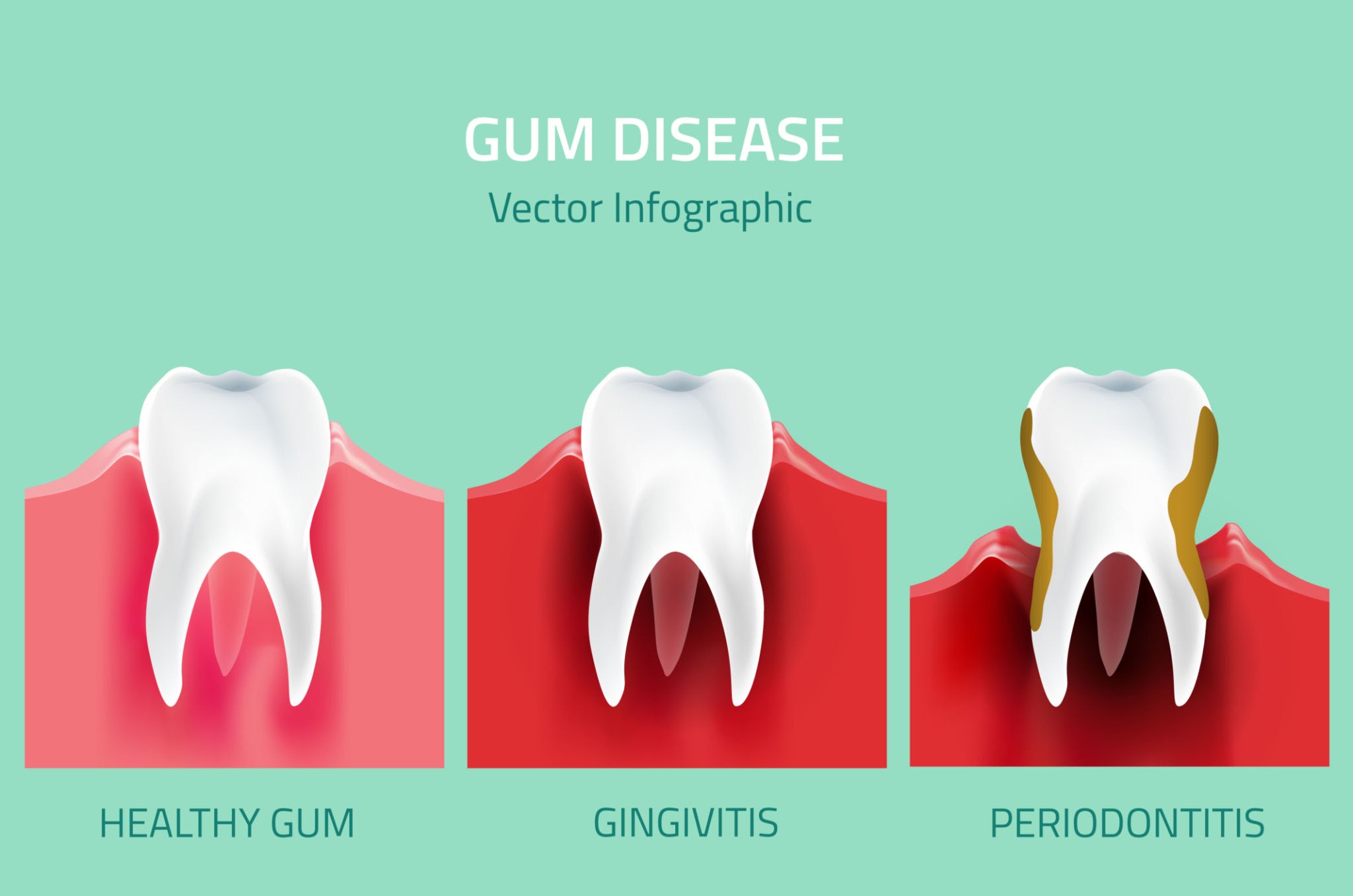
Bleeding gums are often a "red flag" from your body. Usually, it’s a sign of gingivitis (early-stage gum disease), caused by plaque buildup along the gum line.
It might seem counterintuitive, but the solution isn't to stop brushing the area—it’s to clean it more thoroughly! If the bleeding persists for more than a week of consistent cleaning, give us a call so we can check for deeper issues.
Getty Images
4. "What causes bad breath, and how can I fix it?"
Chronic bad breath (halitosis) is usually caused by bacteria living on the tongue and under the gum line. To fix it:
- Brush your tongue: Use your toothbrush or a dedicated tongue scraper.
- Stay hydrated: A dry mouth is a smelly mouth because saliva is your mouth's natural cleanser.
- Check your health: Sometimes, persistent bad breath can be linked to sinus issues or digestive health.
5. "How often should I replace my toothbrush?"
You should swap out your toothbrush (or electric head) every 3 to 4 months. If the bristles are frayed or "splayed" out, it won't clean effectively.
- Bonus Tip: Always replace your toothbrush after you’ve had a cold or the flu to avoid reintroducing germs!
We’re Here to Help!
Preventative care is the foundation of a healthy life. By mastering these daily habits, you’re investing in a smile that will last a lifetime.
Have a question we didn’t cover? Or are you due for your professional cleaning? We’d love to see you!
Related Posts

Your Dental Benefits Expire Dec 31 — Use Them Before They’re Gone

Looking for a Dentist Near Escondido, CA? Why North County Families Drive to Bonsall

Bad Breath in Fallbrook & Bonsall: Causes & What Actually Fixes It